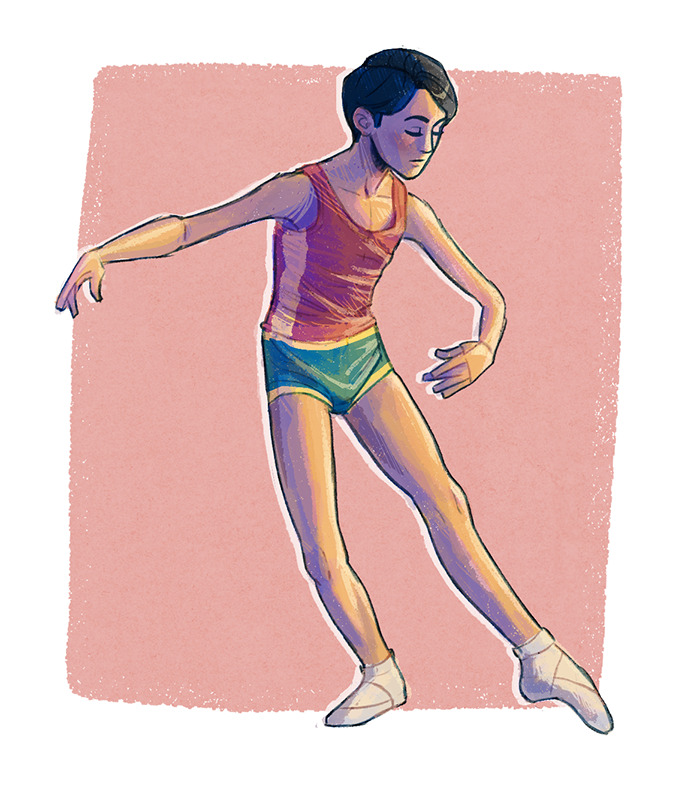
@theliterator because this is literally always your fault
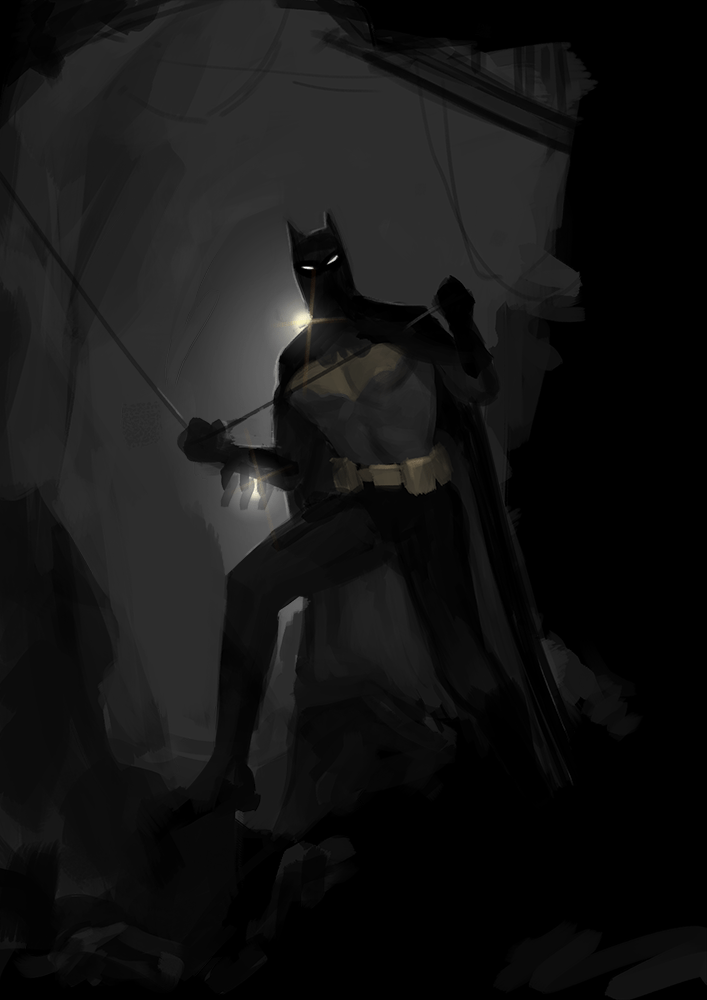
Bruce: fell asleep in a discussion at a board meeting then woke up after he accidentally dumped his hot coffee on the CEO of another company
Dick: had an entire conversation with his bowl of cereal in a baby voice without realising that the rest of the family was in the room with him
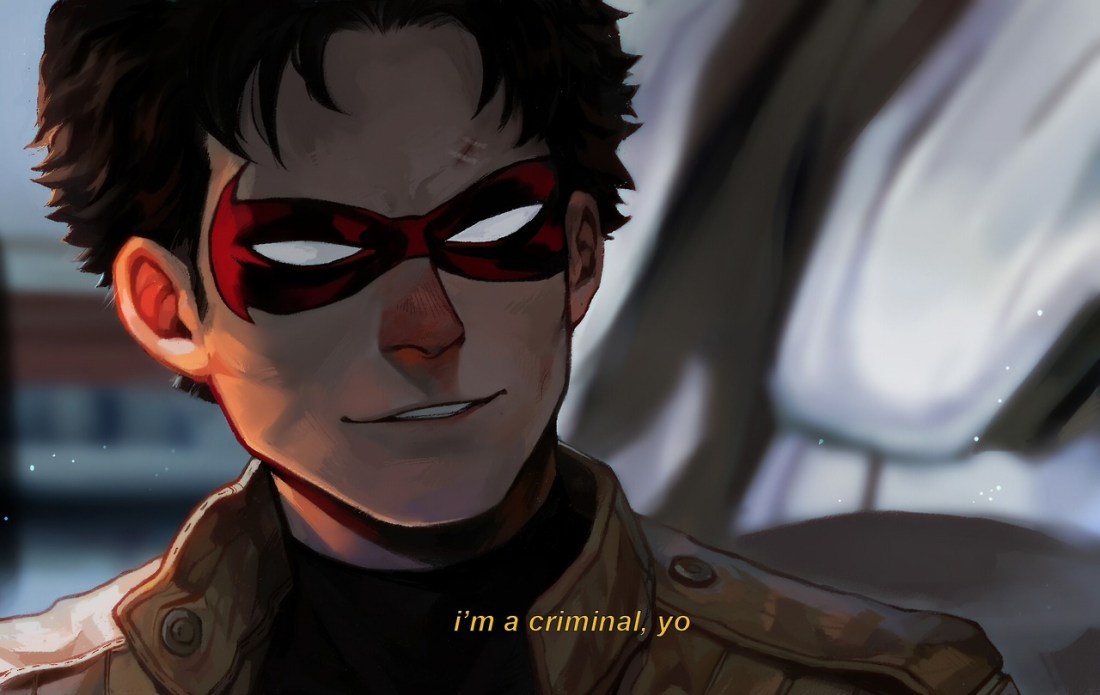
Jason: got drunk and vented all of his feelings about his family and everything to his siblings and then the next day got really embarrassed when they told him how mushy he got
Tim: tried to be smooth by leaning on a table at a Gala, accidentally tipped the table and spilled all of the food on it on himself and everyone around him… and it was caught on tape
Damian: on patrol once he got his ankle caught in his grappling line and tripped off a building in front of everyone
Cass: she’s a perfect beam of light and never messes up in the presence of other people
Steph: accidentally texted Bruce “love you babe” instead of to Tim back when they were still dating. Neither she nor Bruce acknowledged each other for a week afterwords
Duke: on his first night as Robin he accidentally punched Bruce in the face after he emerged from the shadows right behind Duke without warning
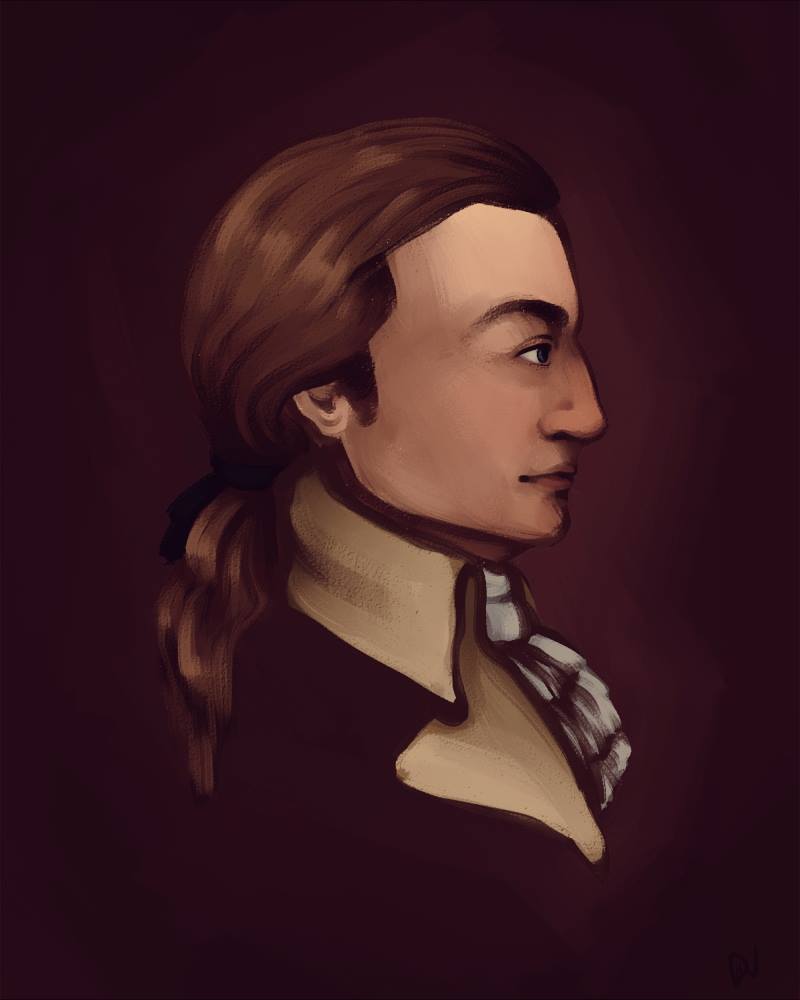
“Lafayette and Hamilton formed a lifelong friendship. That became a triangle at the end of August with the arrival of John Laurens. Twenty-three years old, he also was a slender young man, whose head seemed large for his body. It carried a handsome face with a high brow, noble nose, and strong chin. His wide eyes, as blue as Hamilton’s, were set deep. His full mouth seemed always on the verge of a smile, from either amusement or arrogance, depending on the situation. He was almost as brilliant as Hamilton, but his mind was of a different order. While the one wanted to build a model world as if it was an engineering project, Laurens was on a crusade to improve mankind. He shared Hamilton and Lafayette’s lust for glory on the battlefield. Reckless as they were, neither matched Laurens’ tendency to lunge into the fight without thinking. They survived the war. He did not.”
– David A. Clary, Adopted Son: Washington, Lafayette, and the Friendship that Saved the Revolution
What kind of a Laurens stan would I be if I didn’t draw him on this very day?
Alexander Hamilton’s Performance of Masculinity
something interesting I’ve been thinking about
It’s been discussed a lot how Hamilton was often described as feminine by his contemporaries in the standards of their time. I have zero doubts about his dandyism and I’m sure he had delicate mannerisms that, coupled with his pretty-boy looks, gave him that reputation. But, I’ve also been wondering how much of his obsession with war as a youth, his aggression in battle, his preoccupation with having a command, and his actual leadership style were possibly his way of compensating for those mannerisms or at least allowing himself some freedom of expression he wouldn’t have had otherwise.
I mean, we have that famous “I wish there was a war” letter to Ned- which arguably is just a reflection of his desire to have a means of social elevation, but I would argue is coupled with some romanticism about being a war hero.
We also know that Hamilton was a fan of Alexander Pope and likely read his translation of the Iliad and was deeply influenced by that story of ancient heroes and violent battles and by the hero Achilles who had a deep relationship with another man (which he also could’ve been exposed to by the sodomite population in the West Indies).
He grew up in a place where violence was commonplace between international skirmishes between the British and French and racial violence against a large slave population, so he was definitely exposed to violence as an expression of masculinity- even in men that broke British society’s conventions of sexuality.
Then, with his ideals about refinement and gentility and his desire to raise his position in society, he focused his thoughts about violence, glory, and warfare, and formed those into a productive way of establishing himself in society- get a command.
And, throughout his career in the military, he gained a reputation for being eager on the battlefield and strict as a leader of troops. While at Valley Forge, he recommended lashings as punishment to Washington as a means of restoring order and he abided by capital punishment. He probably used such means or threats of such means to maintain discipline in his own units.
So, you get someone who wants to be involved in warfare and achieve glory through violence as a way of forming his own image as a man.Couple that image with the preexisting one of a slender man with delicate health and feminine mannerisms, and the masculine image forged in violence and warfare becomes liberating to the intrinsic feminine one.
A lot of men probably used warfare as a way of proving their masculinity- just as men use violence in the same way today. And, think about it- if you had a deep-seated need to be respected in a society extremely hostile to the agency of women, but were frequently described as feminine, you’d look for a way to perform masculinity. If you’d seen that violence and glory were means of doing that, it would make sense to seek battle.
And, if femininity was more comfortable for you and you needed to be free to act feminine in some way to be comfortable with yourself, wouldn’t battlefield glory feel like a way of putting a check in the box for everyone else, so you could be free to wear pretty clothes and tell them- ‘fuck off, I won the battle at Yorktown’?Basically, Hamilton’s intrinsic femininity and his aggression, pride, and violence are all tied together and very interesting.
 Daintyfire