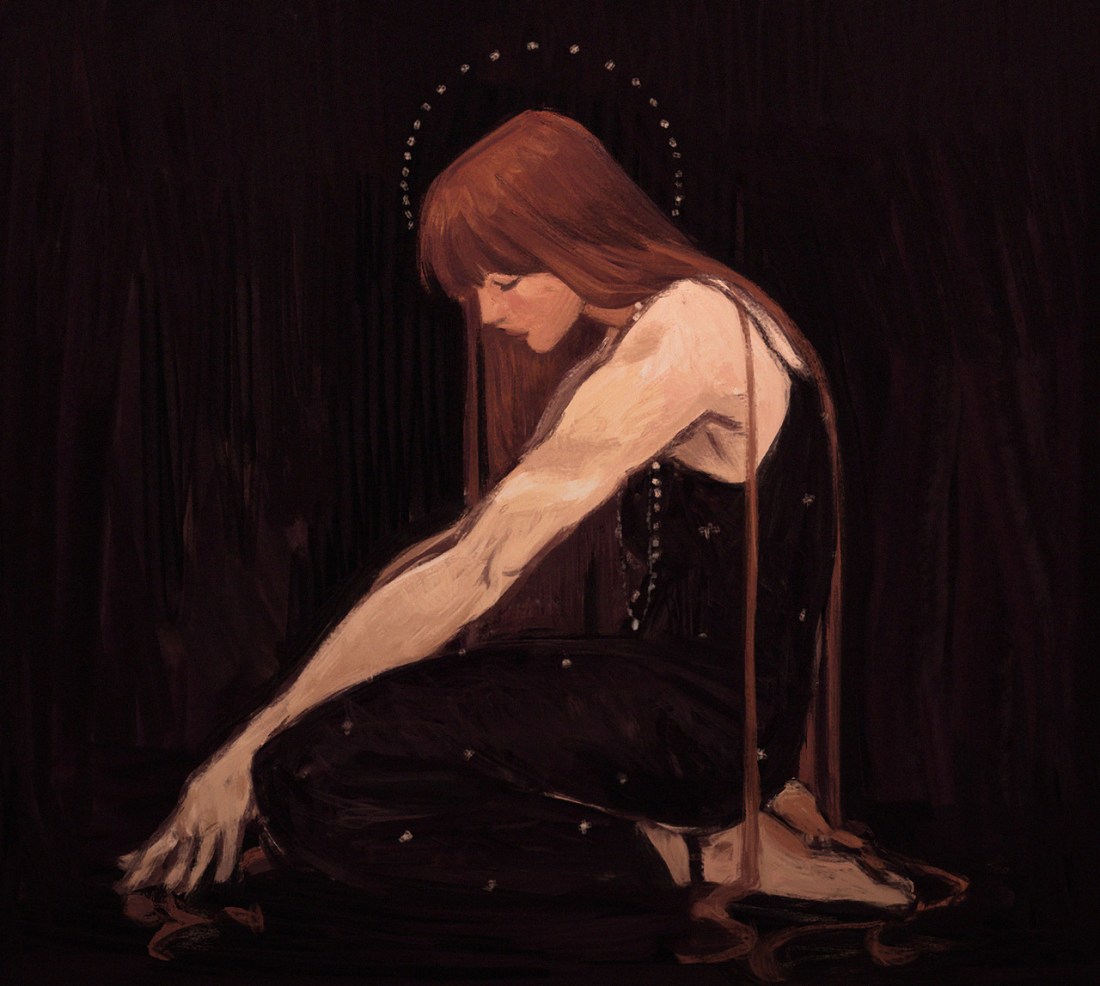
Νύξ : Nyx “Night”, goddess of the night
wisegirlandseaweedbrainforever:
The best thing about Dick Grayson is you put him with the other Bats and he appears to be a friendly, lighthearted, jokester, but you put him with other heroes and he suddenly looks uptight, paranoid, and seriously lacking in average social graces. Nothing about his character has really changed it’s just that this uptight and paranoid boy is friendly, and lighthearted compared to the complete emotional constipation of the other bats😂 He’s a perfect middle ground between the Bats, and the other heroes.
“You see I give you an account of all the pretty females I meet with; you tell me nothing of the pretty fellows you see. I suppose you will pretend there is none of them engages the least of your attention, but you know I have been told you were something of a coquette, and I shall take care what degree of credit, I give to this pretence. When your sister returns home, I shall try to get her in my interest and make her tell me of all your flirtations.”
—
From Alexander Hamilton to Elizabeth Schuyler, 3 September 1780. [x]
From the same letter, in the ongoing saga of “Alexander Hamilton hates everyone”:
Do not however I entreat you suppose that I entertain an ill opinion of all your sex. I have a much worse of my own. I have seen more of yours that merited esteem and love, but the truth is, My Dear girl, there are very few of either that are not very worthless.
(via gwenfrankenstien)
It’s Alexander Hamilton’s birthday today, so I thought I would look into the ways in which Americans celebrated birthdays in the late 18th-century. I found very, very little. So, I dug through everyone’s favorite website, Founders Online, and found any mention of birthdays I could. Royal birthdays were traditionally marked by large balls and other public celebrations, and after the colonies declared independence they began to celebrate George Washington’s birthday this way instead. Since Washington’s birthdays were outliers, I ignored them.
In general, it seems that personal birthdays were widely celebrated. Benjamin Franklin’s wife, Deborah, wrote him in 1765 to say that their friend Mr. Bartram (presumably John Bartram) “asked us to celebrate his Birthday.” Celebrating a birthday in someone’s absence seems to have been relatively common: Eleanor Morris, Mary Hewson, and Sarah Bache all wrote Franklin to let him know that they would be keeping his birthday, in 1768, 1779, and 1783 respectively. Morris says that she and her cousins celebrated his birthday (“that Happy Day”) by having plum pudding with their dinner and drinking tea to his health. Bache, his daughter, claims to keep Franklin’s birthday “in the most festive Manner in my power,” and invited sixty children over for a dance.
Birthdays for children were certainly celebrated. Franklin’s illegitimate grandson, William Temple Franklin, wrote to his cousin to say that he would be visiting a friend to celebrate their son’s first birthday. In 1771, Benjamin Franklin wrote to Deborah to say that he celebrated his grandson’s birthday with friends: “At Dinner, among other nice Things, we had a Floating Island, which they always particularly have on the Birth Days of any of their own Six Children.” A floating island is a French dessert, basically meringue floating on crème anglaise. Apparently, fancy desserts were considered an acceptable way to celebrate a birthday.
I found two instances of personalized poems written in honor of someone’s birthday. In 1767, Benjamin Franklin wrote a poem for Mary Stevenson, the daughter of his London landlady, which included the line “You’d have the Custom broke, you say, That marks with festive Mirth your natal Day,” which also implies that birthday parties were considered customary. On February 21st, 1793, George and Martha Washington sent a birthday greeting to Elizabeth Willing Powel and expressed their regrets that they were unable to attend her 50th birthday party that evening. They also enclosed a personalized birthday poem. In 1814, John Quincy Adams’s seven-year-old son wrote from Saint Petersburg to say that he had performed in a French play at the birthday dinner of a Mr. Krehmer (presumably Sebastian Krehmer, a banker). The dinner ended with a dance.
John Adams, in true New England fashion, marked his 37th birthday by writing this in his journal: “Thirty Seven Years, more than half the Life of Man, are run out.—What an Atom, an Animalcule I am!—The Remainder of my Days I shall rather decline, in Sense, Spirit, and Activity. My Season for acquiring Knowledge is past.” Slightly more optimistically, he writes, “And Yet I have my own and my Childrens Fortunes to make. My boyish Habits, and Airs are not yet worn off.” Two years later, he noted his 39th birthday but wrote nothing else about it and seemed to have spent most of the day traveling.
If we sometimes caricature Ben Franklin as our most bacchanalian founder, and John Adams as a bit of a Puritan stick-in-the-mud, I feel like these examples provide a good range. There are many other examples of letters that simply begin with a birthday greeting, or dates that note that it’s the author’s birthday. Most people seem to have kept track of their birthdays and mentioned them to friends and family, and quite a few seem to have celebrated with dinners, poems, special desserts, and even dances.
So, what about our birthday boy, Alexander Hamilton? Well, he never mentions his birthday in any of his surviving letters. On January 10th, 1772, the day before his 17th or 15th birthday, he wrote to his employer, Nicholas Cruger, to let him know how business was going. At the end, he thanked Cruger “for the Apples you were so kind as to send me,” but there is no other personal information. It seems extremely unlikely that these apples were some sort of birthday gift, since the last letter he’d had from Cruger was from December 20th, 1771. The only notable thing about Hamilton’s birthday seems to be that he didn’t take a break. There are plenty of work-related letters sent on the 10th, 11th, and 12th of January throughout his life. On his 34th or 36th birthday, he wrote a particularly lengthy one to Thomas Jefferson, entirely concerned with politics. So if you were curious about how Hamilton celebrated his birthday…he might not have.
Happy 259th/261st birthday, Hammy!
“Who could have imagined, my friend, a man of your size, your delicate constitution, and your peace would have shone as, and in so little time, in the Champ de Mars, you did. I assure you sir that I am greatly tormented about your health, which has always been very dear to me since the beginning of our acquaintance. I do not know how you can support the difficulty and the hardships of a winter campaign in America. Surely your constitution would never have supported such severity without the assistance of something very extraordinary.”
—
Edward Stevens to Alexander Hamilton, 1778
“a man of your size.” lmfao this is the worst thing, stevens is like “damn ham, you’re so fucking fragile and small the only way you could’ve survived the winter campaign is if god literally intervened to save your tiny ass”



my final work for mermay – the colored-in version of the gibson girl mermaid I drew a few weeks back!







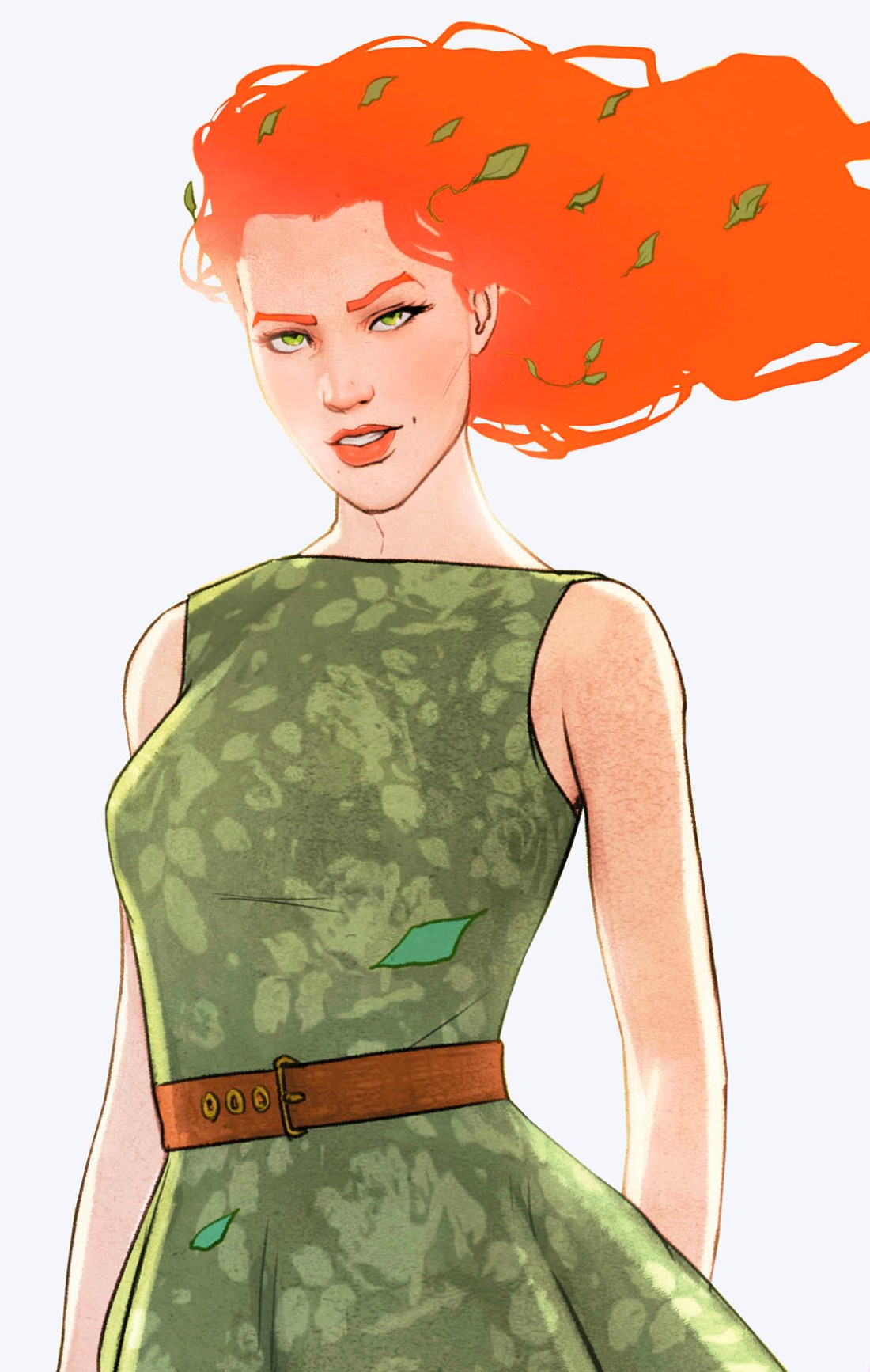

 Daintyfire