Why yes I can!
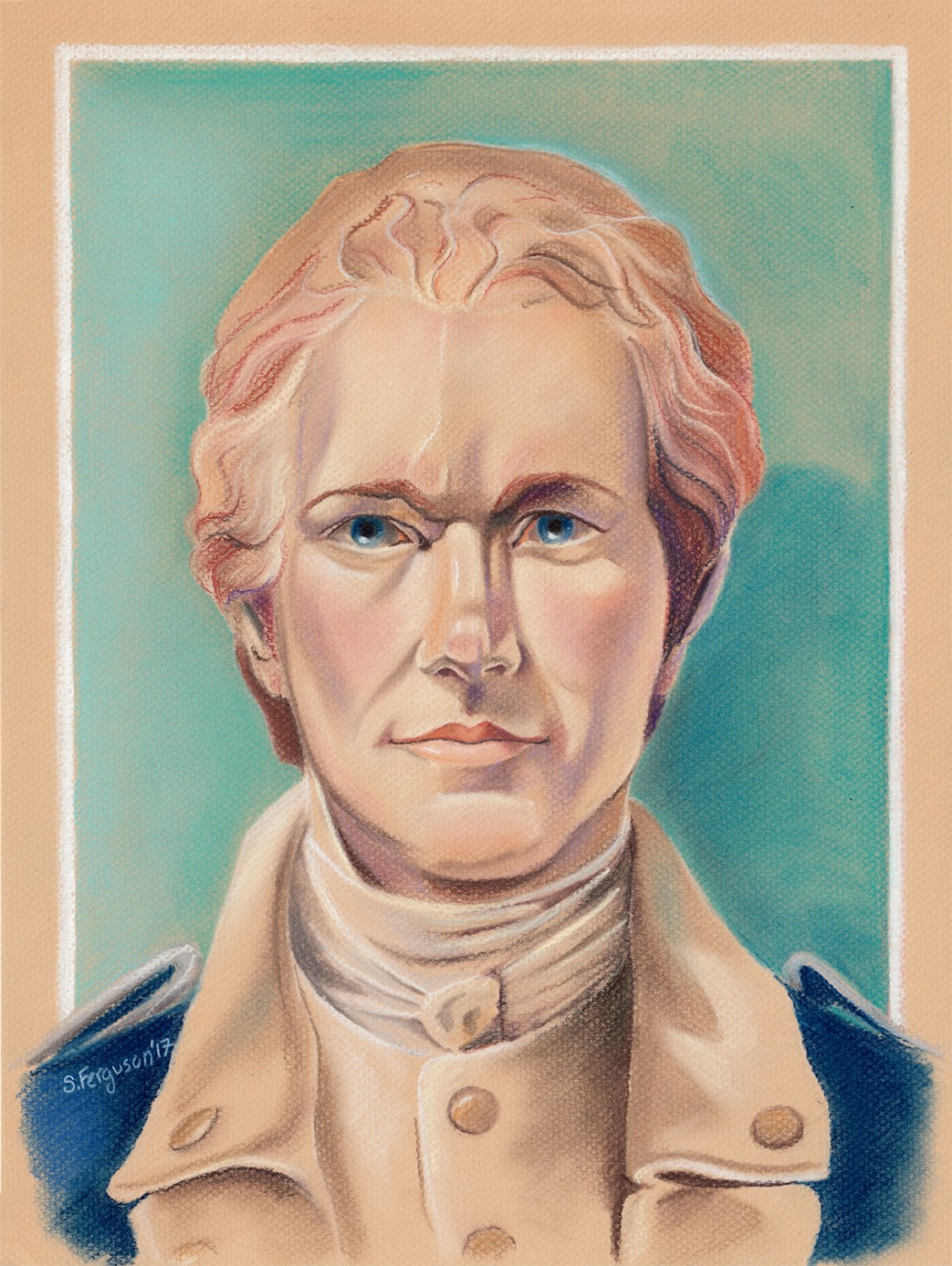
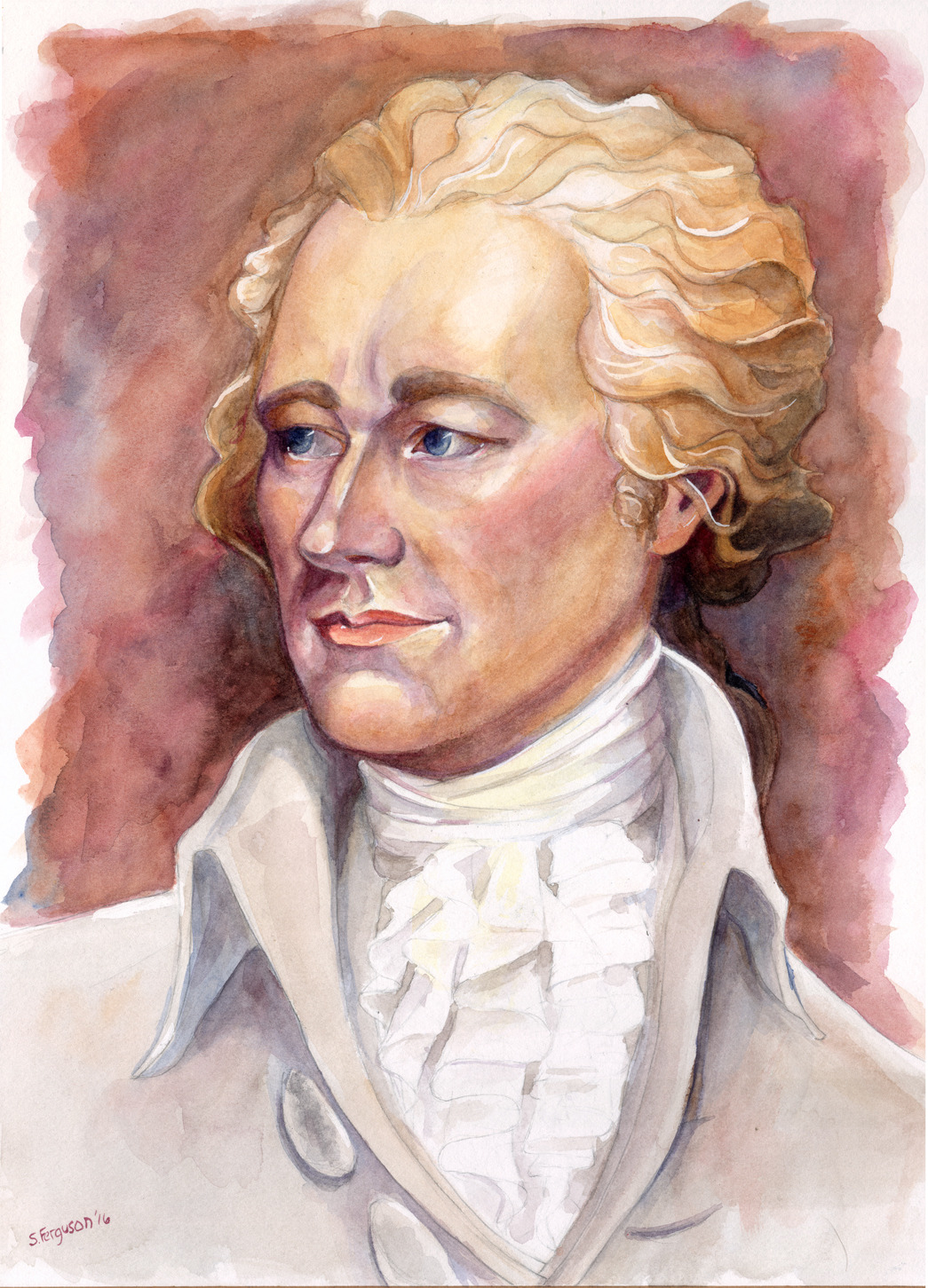
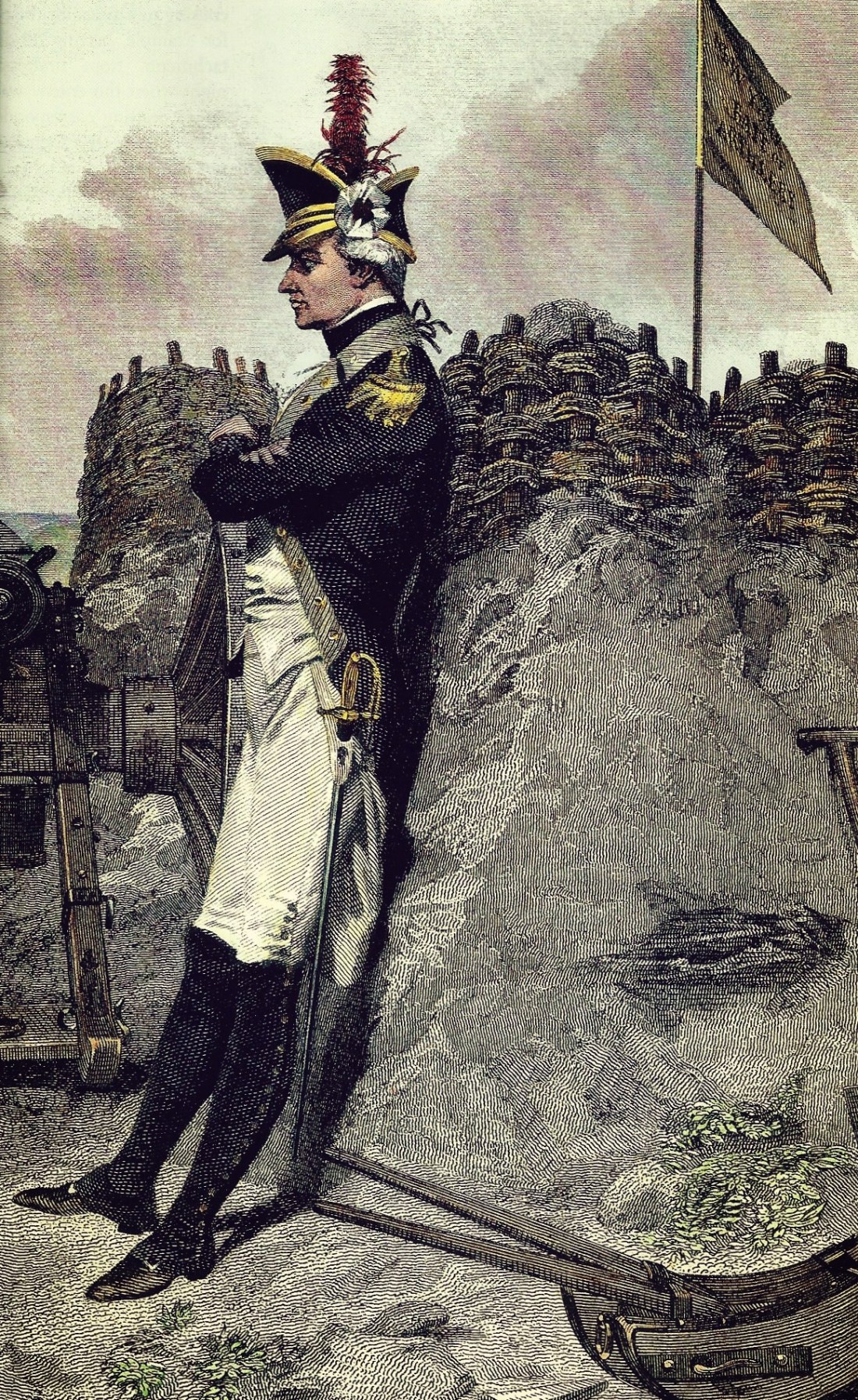
The Continental Army’s Little Lion, Alexander Hamilton. He’s a little tuckered out right now, but I swear he’s like lion. Rawr.
Tag: hamilton

Alexander: If I prove that I never broke the law, do you promise not to tell another soul what you saw?
Burr: No one was else was in the room where it happened.
Alexander: Is that a yes?
Jefferson/Madison/Burr: Um, yes.
Burr: *reading the letter* Cold in my professions, warm in friendships, I wish my dear Laurens, in my power, by actions rather than words to convince you I love you-
Alexander: THAT’S THE WRONG LETTER!
Jefferson: My god.
Hamilton’s Upbringing and the Culture of Refined Gentility
I have been reading a book called Purchasing Identity in the Atlantic World by Phyllis Hunter recently. I don’t agree with all her assertions, in my opinion she leans too heavily on the overgeneralized and antiquated works of very early 20th century European sociologists whose historical understandings, especially of the Americas, leave just about everything to be desired, and like a lot of authors, it’s painfully obvious which chapter in this book was the independent article. That’s not really bad history, just bad form. Other than that it’s a really fascinating look at the creation of a merchant culture of refinement and gentility based largely around consumerism in specifically Massachusetts (though this phenomenon was widespread in the British Atlantic world and can be extrapolated to other areas). “Ok Mad Tom, that’s cool and all, but wtf does your weird little niche interest have to do with my favorite bastard?” I hear you cry.
Well
According to Ms. Hunter, a proto-psychology grew up along with this new consumer culture whereby, essentially, it was put forward by such influential creators of the zeitgeist as The Spectator that refined surroundings led to refined thoughts, which led to refined character. How did one create refined surroundings? Why, by making sure one surrounded oneself with refined objects in good taste (consumer goods) that were arranged tastefully and elegantly. How did one know how to arrange them to create an environment that would help one achieve refinement? By reading newspapers like The Spectator. So essentially, this offers a way for anyone with enough money to purchase a few consumer goods like tea sets or framed pictures and access to print culture an avenue to purchase and read their way into the social elite. It also creates a barrier to those who do not have that access that is totally separate from the old social way of distinction, that is, birth.
You still with me? I promise we’re getting to the ten dollar founding father.
So Hamilton grew up in what was considered by Anglo-Americans to be the second least refined and second least genteel place in the world, the West Indies. The white planters there (as @publius-esquire has been covering) had utterly failed to cultivate the new elite culture and acquire the new elite markers of Georgian society. They had all the consumer goods, but none of the taste and control and, well, refinement that was the second part of the elite equation.He had also grown up in relative poverty, which meant he didn’t even have access to the fancy consumer goods that were supposed to help develop a genteel mind and character. Now, of course, he did have access to print culture, and, especially once in the North American colonies, seems to have been an extremely diligent student of elite gentility and done everything he could to out-genteel the established American gents, right down to not charging for his legal services (jfc alex you have like one thousand kids). And yet many socially elite Anglo-Americans still refused to see him as refined. Most of those people also loved to bring up his childhood. Lots of ink has been spilled on how his illegitimacy was linked to his failure at moral performance because of the particular way Protestantism was interacting with English culture at that time. I would propose that it also had much to do with the fact that he grew up without the benefit of gentility. According to the thinking put forth by people like Addison, someone growing up in an unrefined environment would be, basically, stunted in their development of genteel manners and character. While the moral argument probably explains Adams, this sort of thinking probably was what was going through Jefferson’s head when he was making his nasty remarks.
Part of where Hamilton went wrong was that he tended to combat aspersions thrown on his upbringing with assertions of pedigree, which had been replaced on paper (though not institutionally) by this concept of acquired gentility as a meaningful status marker, especially in the Americas, and this shift had been augmented by the Revolution. So in this, he was oddly behind the times.
Now the war thing.
Because Hunter is studying merchants and consumer culture, she mostly focuses on the path to gentility through the purchase of things and knowledge of elite social codes (newspapers, dancing lessons, etc), but there was another path to refinement that emerged around the same time, this one popularized more by Alexander Pope than by Joseph Addison (if you study 18th c English or Anglo American society and you don’t know these guys, look them up. They were like… the Toast and the Buzzfeeds of their day). Heroic sentimental actions were yet a third way to demonstrate refinement of character (think The Death of General Wolfe), and this was the only one that did not require access to consumer and print culture and additionally access to the gatherings of the elite so one could display those acquisitions. This path just required, you guessed it, a war. Young Hamilton was probably reading all the fashionable newspapers available to him, and probably looked at his own prospect for access to genteel markers of the first and second categories, and knew he stood little chance of rising into polite society that way. He was also reading Pope. And so, Neddy, he wished there was a war.


Doctor’s Orders
One of the last things James McHenry (he of the Ham’s wedding night poem fame) did before he switched from medicine to being Washington’s aide de camp was to prescribe Hamilton this:
In order to get rid of your present accumulations you will be pleased to take the pills agreeable to the directions; and to prevent future accumulations observe the following table of diet.
This will have a tendency also to correct your wit.
I would advise for your breakfast two cups of tea sweetened, with brown sugar, and coloured with about a teaspoonful of milk. I prefer brown sugar to loaf because it is more laxitive, and I forbid the free use of milk until your stomach recovers its natural powers. At present you would feel less uneasiness in digesting a pound of beef than a pint of milk.
You know, yes, the letters Hamilton wrote to Eliza are adorable, hilarious, no chill, etc.
But you want to talk about someone with abandonment issues, look no further than Alexander Hamilton.
This is why how he writes to John and Eliza is so important. Why you can mark who he loves by that desperation, that neediness he has to KNOW they love him, to KNOW they won’t leave him, to KNOW they haven’t forgotten him.
Yes, it’s funny. Yes, it’s deeply sad. Don’t be fooled by the bluster in how he writes to say Kitty Livingston and believe Hamilton is bought by passion.
Remember he’s a boy whose father left him and whose mother died, with wounds so deep that his survival is a near miracle. Remember how he clung to any attention his father showed him, near begging his dad just to love him. And remember how scared he must have been that anyone he loved would leave him too.
And remember how self-destructive that can make you.
 Daintyfire