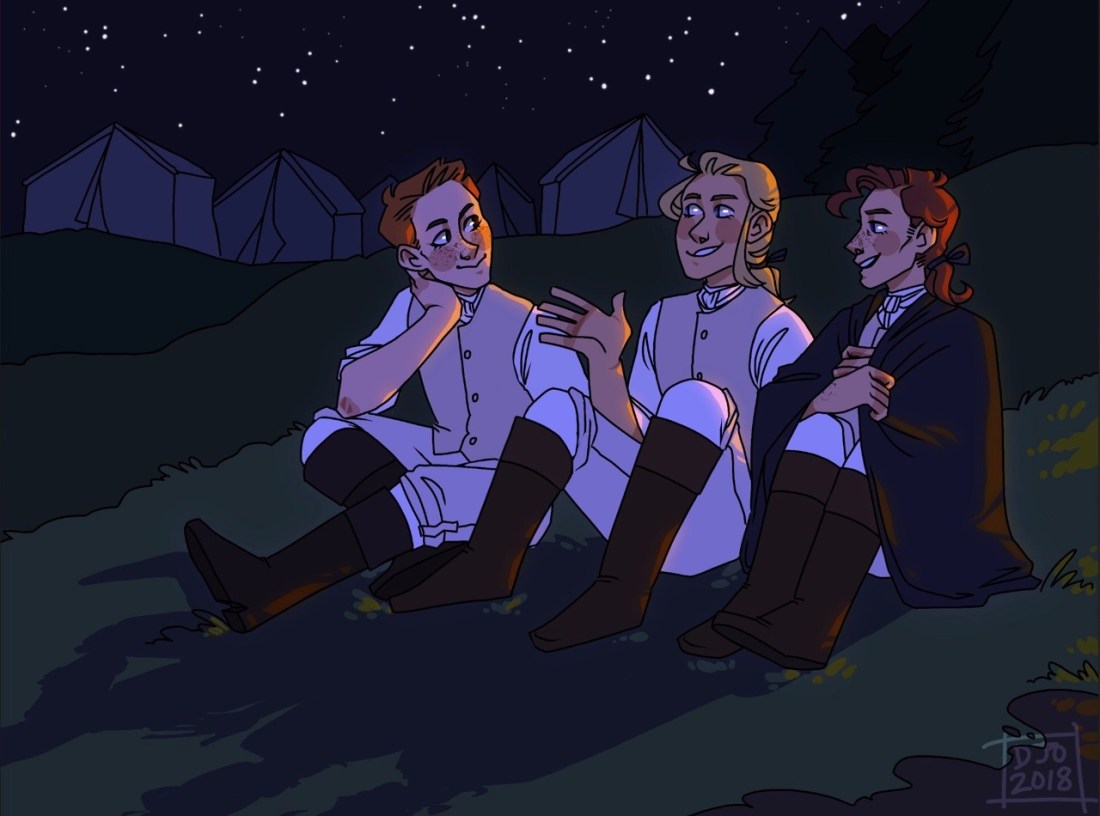
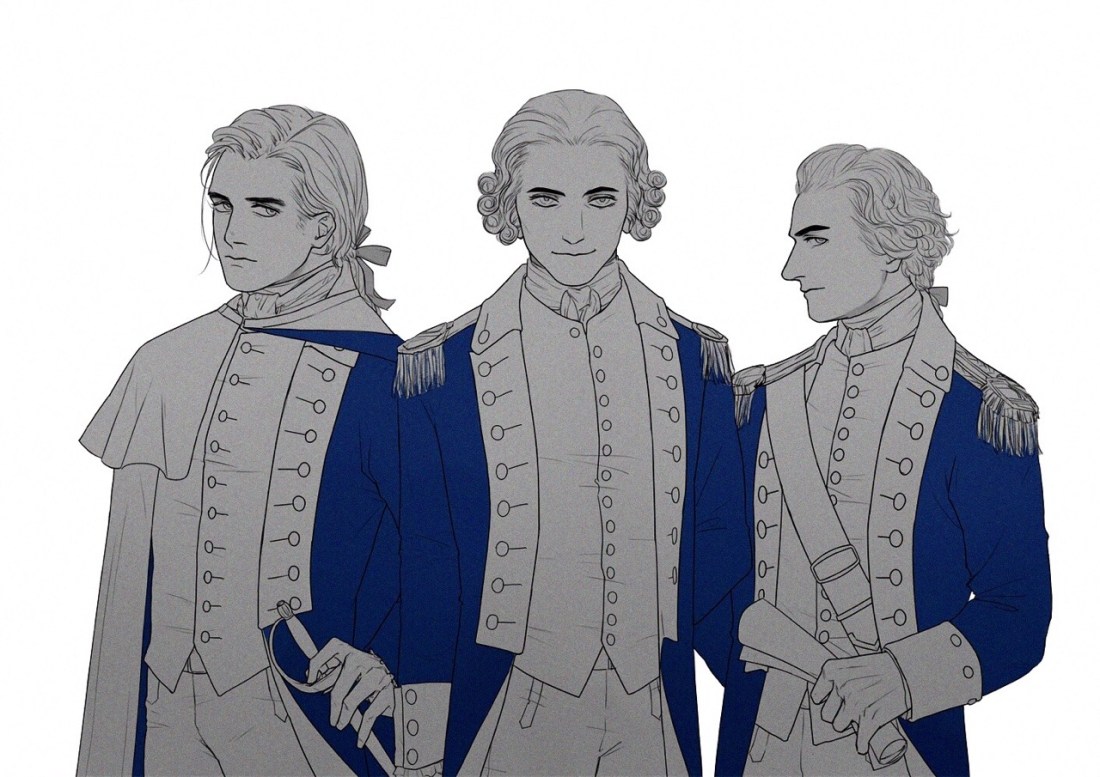
ya know how laf, laurens, and ham used to go sit on the grass and talk about politics all night?
yeah I think about that a lot
ya know how laf, laurens, and ham used to go sit on the grass and talk about politics all night?
yeah I think about that a lot




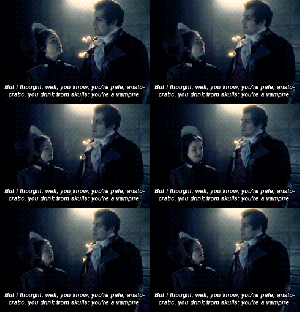


twit light, the dark and mysterious story of Lord Byron
Horrible Histories is truly a blessing to British tv..
ohmyfuckinggod.
Where can I watch this
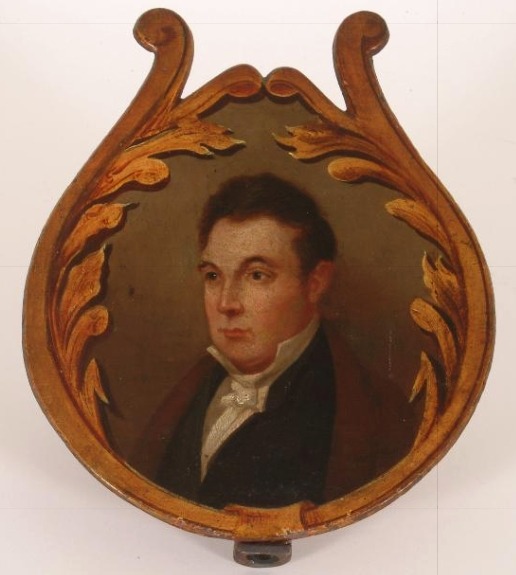
A portrait of Lafayette, for your viewing pleasure. :3 Courtesy of the Smithsonian digital archives. 😀
“Mr. H used in the evening to sit with my family and my brothers family and write dogrel rhymes for their amusement; he was allways amiable and cheerful and extremely attentive to his books.”
— Recollection of young Alexander Hamilton from Hercules Mulligan
“While I am on the subject of [Benjamin Walker], I must relate an anecdote which happened while he was in the family of Genl Washington, and which is strongly descriptive of his honest heart. He had long been engaged to a Quaker young lady, who resided in the State of New York, and whom he afterwards married. He once asked the General to give him leave of absence for a few days, to go and see her. The General told him, that he could not at that time dispense with his services. Walker insisted, begged, entreated, but all in vain. “If I don’t go,” said he “she will die.” “Oh! no,” said Washington, “women do not die for such trifles.” “But, General, what shall I do?” “What you will do? why write to her to add another leaf to the /book of sufferings/.” This was related to me by Walker himself. Genl Washington had a great deal of that dry humour, which he knew how to make use of on proper occasions.”
—
Autobiographical Letters of Peter S. Duponceau.
ppfHA “BUT SHE’LL DIE IF I DON’T GO.” -Washington looks into the Camera like he’s on the office.-
(via revolutionary-pirate)
Washington inquired of Morris, “What are we to do with this heavy debt?” Morris replied: “There is but one man in the United States who can tell you; that is, Alexander Hamilton. I am glad you have given me this opportunity to declare to you, the extent of the obligations I am under to him.“
Troup recorded that Washington, immediately after his inauguration “called on Hamilton, and told him it was his intention to nominate him to the charge of the financial department” as soon as it should be organized. Hamilton next day requested Troup to wind up his law practice if he were appointed. Troup, willing to oblige, yet pointed out that abandoning the law for public office would entail a sacrifice for Hamilton’s family. Hamilton readily admitted this but felt he could not refuse the President’s invitation to an assignment in which he “could essentially promote the welfare of the country.“
Earlier, Hamilton had confided to Gouverneur Morris his hope for this opportunity. He dismissed Morris’ remonstrance that the Treasury post, of all others, promised calumny, with the conviction that “it is the situation in which I can do most good.“
– Alexander Hamilton The National Adventure by Broadus Mitchell
In the evenings, about 8:30, Washington and his Military Family habitually had a small private supper together when possible. This meal varied from the almost ceremonious nature of the 3 o’clock dinner to which a plethora of guests were invited every day. These suppers with the family rarely had any guests and were basically just time for the general to spend personally with his staff and to share with them a small, light meal. Marquis de Chastellux was once invited to attend this private supper and wrote about it in this Travels. He’d protested the meal at first, thinking it was a meal, but Washington informed him that all he needed to do was eat some fruit and enjoy some conversation. At that, Chastellux readily agreed and was somewhat relieved to be in a relaxed environment in which he actually knew everyone and enjoyed everyone’s company. The supper was topped off with a glass of wine and some simple toasts to go with the easy chatter. (The passage that follows this one in Travels is probably familiar to many of you because Chastellux talks of Hamilton giving the toasts on that particular evening.) The supper must have been nice, though, and I’d imagine that it might have felt to many like a moment in which they could just… breathe. [x and Lefkowiz, pg 75-76]
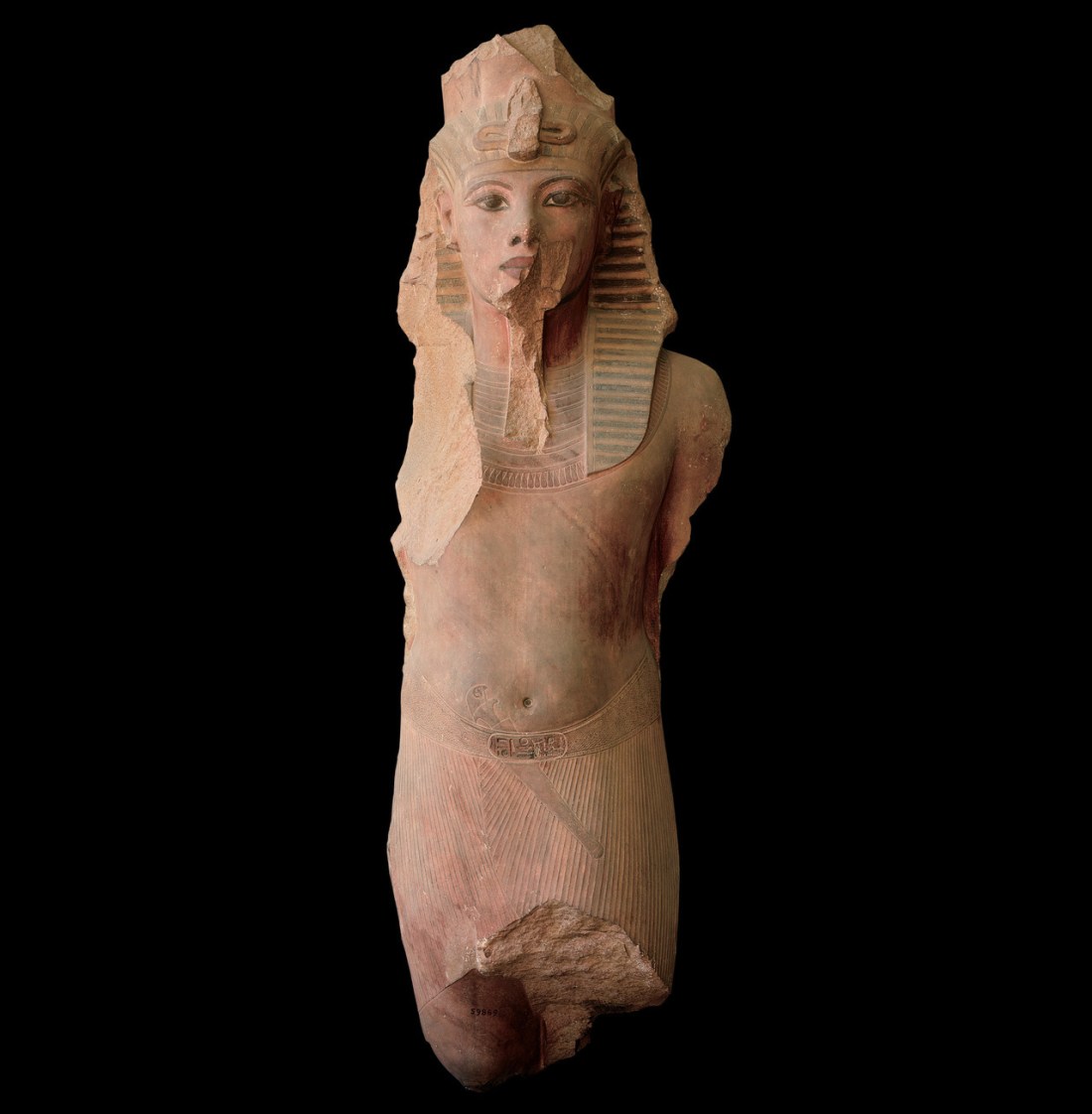
Colossal statue of Tutankhamun (painted quartzite), from the Mortuary Temple of Ay and Horemheb at Medinet Habu. Reign of Tutankhamun, New Kingdom, 18th Dynasty, ca. 1332-1323 BC. Now in the Egyptian Museum, Cairo.
 Daintyfire