Pugs are not cute. Pugs are malformed, inbred, sick animals that should never have existed.
(Above: pug and wolf skulls. Note the shallow eye sockets, crowded, protruding teeth, and short snout in the pug.)
Dogs pant to cool themselves. As pugs have practically no snouts, they have trouble cooling their bodies and they can suffer from organ failure as a result.
Pugs are often unable to breathe properly due to their short snouts and compact breathing passages. This inhibits their ability to do things that dogs like best – running, chasing things, playing.
Pugs suffer from a mangled jaw from which their teeth grow in all directions.
Because of the distorted shape of their skulls, their eyes commonly pop out of their heads. 60% of prolapsed eyes become blind. Eyes put back in the skull are prone to infection and the dog may need treatment for the rest of their life.
Their eyes are also prone to swelling painfully, becoming scratched, and being irritated by their eyelashes.
When excited, pugs are prone to getting fluid stuck in their throats, making them choke or gasp for breath. This is given the cutesy nick name “reverse sneezing”. [video]
As it can be difficult for pugs to exercise, they are prone to obesity.
Some pugs are born with their nostrils pinched almost shut, making it impossible for them to live without an operation.
The wrinkles on their faces will become infected without constant, careful cleaning by their caretaker.
About 64% of pugs suffer from hip dysplasia (malformed hip sockets) which causes crippling lameness and painful arthritis.
Pugs have a genetic weakness to demodectic mange (a pretty nasty skin condition caused by mites).
Their curled tail makes them susceptible to hemivertibrae – misshapen backbones which cause spine bending and instability, neurological disorders, back leg paralysis, incontinence, and pain.
Pugs are so inbred that a study of ten thousand pugs in the UK had the genetic makeup of only 50 individuals. Inbreeding means that defective genes are more likely to be expressed and passed on to offspring.
Necrotizing meningoencephalitis (brain swelling) is common among pugs. Dogs with this condition usually die within a few weeks.
I am so sick of seeing pugs being celebrated. Their small, squashed skulls, facial wrinkles, curled tails, and protruding eyes are actually valued when these characteristics are a cruelty in themselves.
Pugs are charming, sweet, funny little souls and they don’t deserve the bodies humanity has designed for them.
Stop celebrating pugs. Stop buying pugs.
let’s celebrate retro pugs instead
responsible breeders decided they liked the temperament but the health issues were a nightmare, so they fixed them, they bred them out
it’s retro as in before the muzzle was bred out
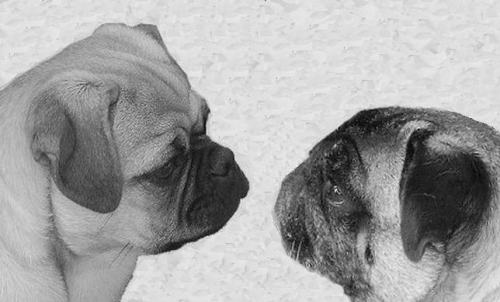
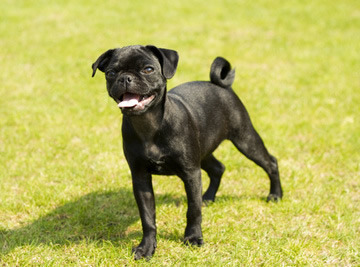
and look at them
the one on the left is a retromop and the one on the right is a (elderly) pug
they’re healthier, live longer and have all the pug benefits with none of the usual health issues because of the deformed skull
they have longer legs
making exercise easier, and yet maintained most of the pug looks, and yes, they have the pug grin
want a pug – get a retropug or retromop, a healther, happier, and possibly cheaper option
even though I love pugs, it’s important that people know this
Retromops are where it’s at friend. Keep 100% of the pug charm with 0%of the terrible unhealthy inbred deformity.
My current job has me working with children, which is kind of a weird shock after years in environments where a “young” patient is 40 years old. Here’s my impressions so far:
Birth – 1 year: Essentially a small cute animal. Handle accordingly; gently and affectionately, but relying heavily on the caregivers and with no real expectation of cooperation.
Age 1 – 2: Hates you. Hates you so much. You can smile, you can coo, you can attempt to soothe; they hate you anyway, because you’re a stranger and you’re scary and you’re touching them. There’s no winning this so just get it over with as quickly and non-traumatically as possible.
Age 3 – 5: Nervous around medical things, but possible to soothe. Easily upset, but also easily distracted from the thing that upset them. Smartphone cartoons and “who wants a sticker?!!?!?” are key management techniques.
Age 6 – 10: Really cool, actually. I did not realize kids were this cool. Around this age they tend to be fairly outgoing, and super curious and eager to learn. Absolutely do not babytalk; instead, flatter them with how grown-up they are, teach them some Fun Gross Medical Facts, and introduce potentially frightening experiences with “hey, you want to see something really cool?”
Age 11 – 14: Extremely variable. Can be very childish or very mature, or rapidly switch from one mode to the other. At this point you can almost treat them as an adult, just… a really sensitive and unpredictable adult. Do not, under any circumstances, offer stickers. (But they might grab one out of the bin anyway.)
Age 15 – 18: Basically an adult with severely limited life experience. Treat as an adult who needs a little extra education with their care. Keep parents out of the room as much as possible, unless the kid wants them there. At this point you can go ahead and offer stickers again, because they’ll probably think it’s funny. And they’ll want one. Deep down, everyone wants a sticker.



 Daintyfire